
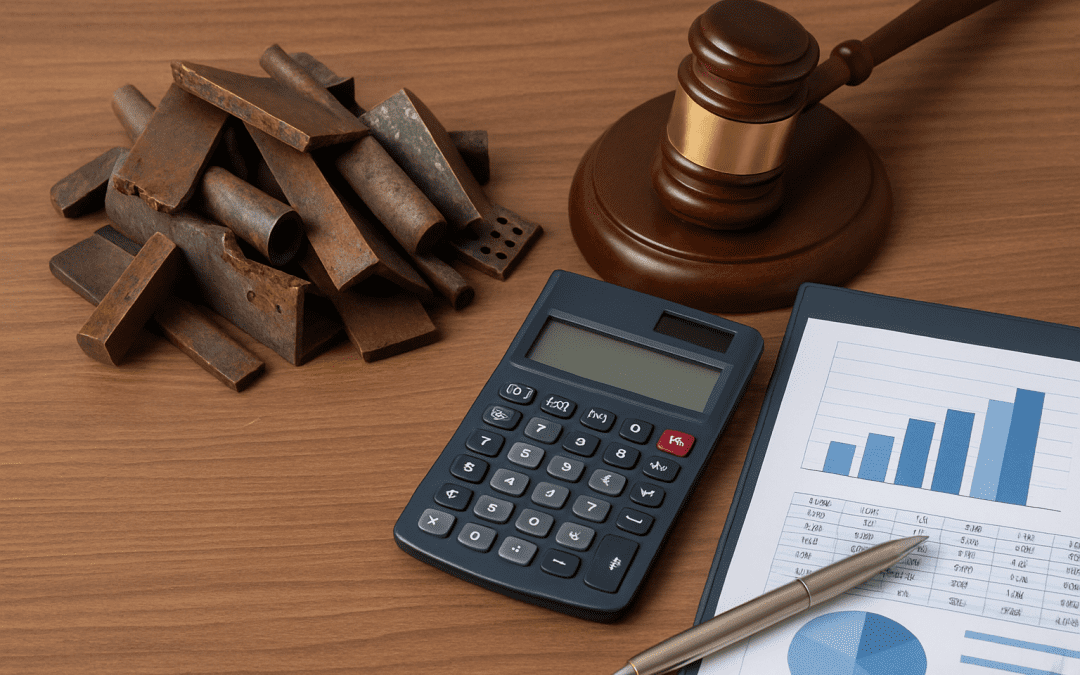
Recycling scrap metal not only benefits the environment but also offers financial opportunities for individuals and businesses. However, understanding the tax implications and adopting proper accounting practices is essential to managing your scrap metal sales revenue effectively. At Joseph Freedman Co., we care deeply about people and the environment, providing clear guidance on metal recycling while supporting sustainable practices.
Understanding Tax Implications for Scrap Metal Sales
When you sell commercial scrap metal, the revenue generated is considered taxable income by the IRS. This applies whether you are a business or an individual selling metal such as copper, aluminum, steel, or other recyclables. Here are the key tax considerations to keep in mind:
Reporting Scrap Metal Income
All income from scrap metal sales must be reported on your tax return. For businesses, this typically falls under gross receipts or business income. For individuals, it can be reported as miscellaneous income if the activity is occasional. Keeping detailed records of each transaction, including weight, price, and buyer information, will simplify tax filing and reduce errors.
Cost Basis and Profit Calculation
If you originally purchased the metal for a business purpose and later sell it as scrap, your profit is the difference between the sale price and the metal’s adjusted cost basis (what you paid plus improvements). For metal obtained as waste or scrap, the entire sale amount is usually considered income.
Sales Tax and Scrap Metal
In many states, scrap metal sales may be exempt from sales tax, but regulations vary. It’s important to check your state’s rules or consult with a tax professional to ensure compliance.
Accounting Best Practices for Scrap Metal Sales Revenue
Proper accounting practices help you track your metal recycling income accurately and maintain transparency with tax authorities. Here are practical tips for managing your scrap metal sales revenue:
Maintain Organized Records
Document each sale clearly with details like the date, type of metal recycled, weight, price per unit, total amount received, and buyer contact info. Using spreadsheets or accounting software designed for small businesses can improve accuracy.
Separate Business and Personal Transactions
If you recycle metal through a business, keep all scrap metal sales separate from personal finances. This separation makes accounting simpler and protects your assets.
Track Environmental Benefits
Besides financials, track how much metal you recycle to measure your environmental impact. This information can be useful for sustainability reporting or business marketing.
How Joseph Freedman Co. Supports Your Recycling Journey
At Joseph Freedman Co., located at 115 Stevens Street, Springfield, MA, we prioritize honesty, sustainability, and efficiency in every scrap metal transaction. We help businesses and individuals get paid for scrap with fair pricing and clear guidance on how recycling benefits both the environment and your bottom line. Our team ensures you understand the financial and environmental aspects of metal recycling, making the process straightforward and trustworthy.
Contact Joseph Freedman Co. Today
Navigating tax implications and accounting best practices for commercial scrap metal sales revenue is crucial for maximizing profits and staying compliant. By keeping detailed records, understanding tax rules, and separating finances, you can handle your scrap metal sales with confidence. Joseph Freedman Co. is here to assist you in recycling metal responsibly and efficiently while supporting community and environmental sustainability.
For more information, to request a quote, or to schedule a pickup, contact Joseph Freedman Co. at 888.677.7818 or email info@jfrecycle.com. We’re open Monday through Friday, 7:00 am to 3:30 pm, at 115 Stevens Street, Springfield, MA 01104. Join us in turning scrap metal into value while caring for our planet.