
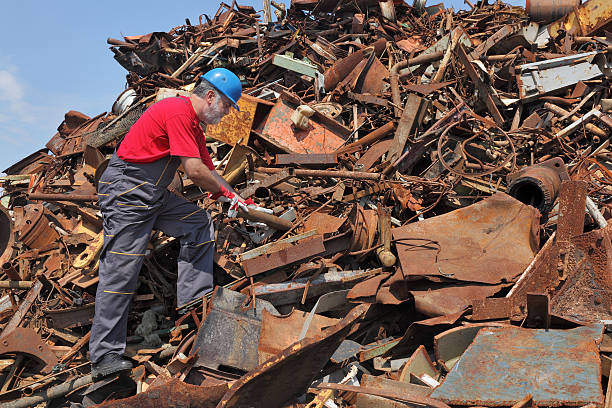
When it comes to metal recycling, compliance isn’t just about following the rules—it’s about protecting people, the environment, and your business. Whether you’re a small shop bringing in aluminum scrap or a large manufacturer recycling stainless steel, understanding what inspectors want to see in your scrap metal records can make the process smoother and more profitable. At Joseph Freedman Co., we take pride in helping individuals and businesses recycle responsibly, get paid for scrap, and support sustainability efforts that benefit our community.
Why Compliance Matters in Scrap Metal Recycling
Compliance audits ensure that metal recyclers are operating safely, ethically, and in accordance with environmental regulations. These audits protect natural resources, prevent pollution, and help keep scrap metal markets fair and transparent. For businesses, passing a compliance audit can mean uninterrupted operations and stronger partnerships with recyclers like Joseph Freedman Co., who value honesty, flexibility, sustainability, efficiency, safety, and community.
Key Records Inspectors Expect to See
1. Accurate Weight and Material Documentation
Inspectors want to confirm that all scrap metal transactions are accurately recorded. This includes:
- Detailed descriptions of the metal type (e.g., copper, aluminum, stainless steel).
- Weights measured on certified scales.
- Documentation linking each transaction to the seller or supplier.
Maintaining clear and precise records builds trust and ensures you get paid fairly for your scrap.
2. Proof of Origin and Chain of Custody
Scrap metal laws require proof of where the material came from. This helps prevent stolen metal from entering the recycling stream. Common forms of proof include:
- Purchase receipts or bills of lading.
- Photographs of the material at the point of sale.
- Customer identification records.
At Joseph Freedman Co., we make it easy for suppliers to provide this documentation while keeping the process efficient and straightforward.
3. Environmental and Safety Compliance Records
Because recycling impacts the environment, inspectors will check that businesses are following safety and environmental guidelines. This might include:
- Proper storage of scrap to prevent contamination.
- Evidence of hazardous material handling procedures.
- Records of employee safety training.
By keeping these documents organized, you not only pass inspections but also contribute to the environmental benefits of recycling.
4. Payment and Transaction Records
To ensure transparency, inspectors often review payment histories. These records should include:
- Amount paid for scrap.
- Date and method of payment.
- Associated transaction paperwork.
At Joseph Freedman Co., we believe in transparency, so our records are clear, complete, and ready for any audit.
How Joseph Freedman Co. Supports Compliance
We understand that compliance can feel overwhelming, especially for businesses that generate scrap regularly. That’s why we provide:
- Clear guidelines for recordkeeping.
- Secure and accurate weighing processes.
- Support for environmental and safety documentation.
- Fast, transparent payments so you always know where you stand.
With over a century of experience in metal recycling, our team ensures that your scrap metal transactions meet all regulatory requirements while keeping sustainability at the heart of everything we do.
Conclusion
Keeping your scrap metal records organized isn’t just about passing an audit—it’s about building trust, protecting the environment, and maximizing the value of your scrap. Joseph Freedman Co. is here to help you recycle responsibly, stay compliant, and enjoy the financial rewards of recycling.
Contact us today to learn more, request a quote, or schedule a pickup:
Joseph Freedman Co.
115 Stevens Street, Springfield, MA 01104
Phone: 888.677.7818
Email: info@jfrecycle.com
Hours: Monday – Friday, 7:00 am – 3:30 pm
Recycle smarter. Stay compliant. Protect our planet.